AI in the workplace: A report for 2025
AI's Impact on Professional Workflows: A 2025 Perspective The integration of AI into professional environments has transformed workflows significantly by 2025. The key driver for this transformation ...
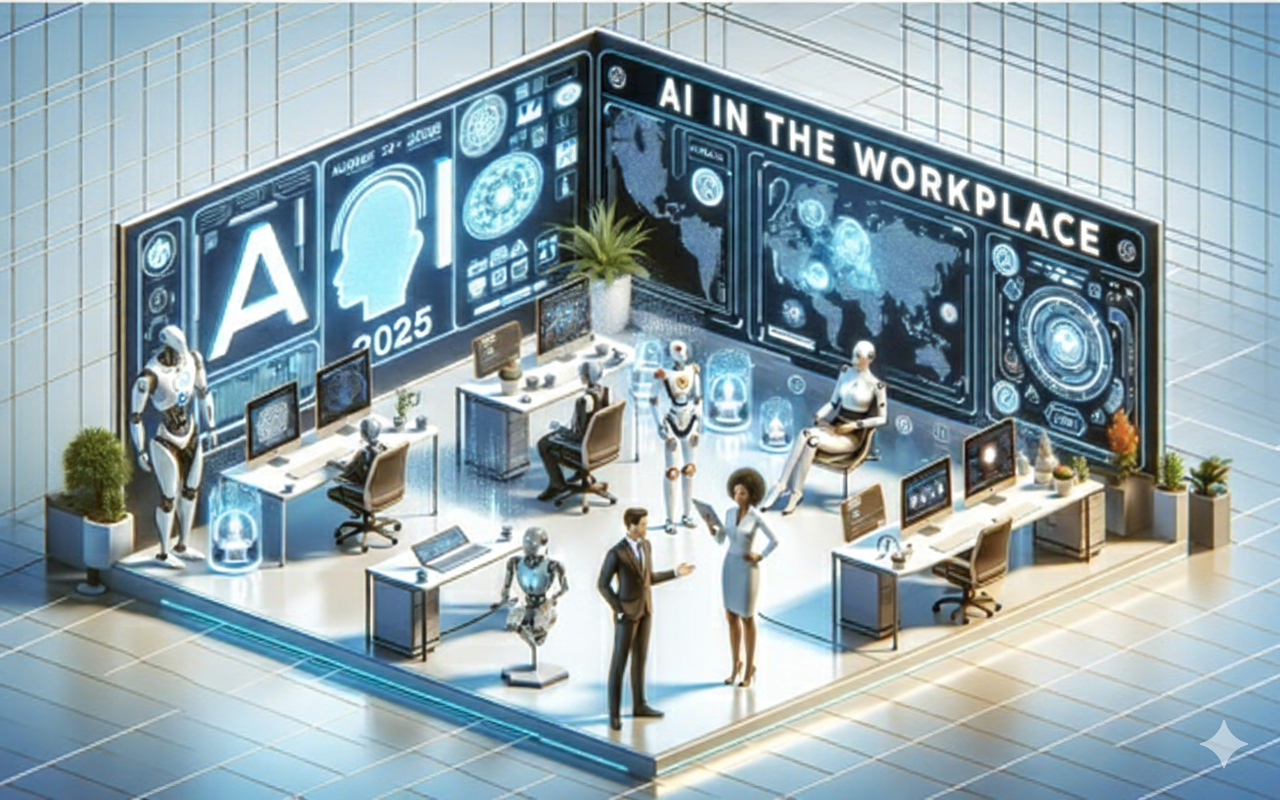
AI's Impact on Professional Workflows: A 2025 Perspective
The integration of AI into professional environments has transformed workflows significantly by 2025. The key driver for this transformation has been the ability of AI systems to handle routine tasks, thereby allowing professionals to focus on more complex, high-value activities. In regulated environments such as finance and healthcare, AI-enabled systems are deployed to automate compliance checks, analyze risk factors, and streamline reporting processes. These systems are designed to augment human capabilities, rather than replace them, ensuring that professionals retain decision-making authority while benefiting from enhanced data analytics and processing power.
A practical example can be seen in the legal sector, where AI tools are deployed to scan through vast volumes of case law and legal documents to identify relevant precedents and insights. This not only speeds up research times but also enhances the quality of the analysis by providing a more comprehensive view of the legal landscape. Similar applications are evident in public sector environments, where AI assists in policy formulation by analyzing historical data, predicting outcomes, and suggesting evidence-based interventions.
Furthermore, AI's role in workflow automation extends to improving productivity in knowledge work through intelligent scheduling, resource allocation, and monitoring systems. These tools analyze patterns in workflow data to optimize processes and recommend improvements, thus ensuring that tasks are completed efficiently and within regulatory frameworks. The integration of AI into everyday knowledge work, therefore, represents a significant advancement in how professionals approach their tasks, combining human intuition with machine precision.
Defensible and Measurable Productivity Gains
By 2025, organizations have increasingly focused on ensuring that AI-driven productivity gains are both defensible and measurable. This focus is critical in regulated environments where transparency and accountability are paramount. AI systems are designed with built-in audit trails and reporting functionalities, allowing organizations to track and validate the outcomes of AI interventions. This ensures compliance with regulatory requirements and fosters trust in AI technologies among stakeholders.
Consider the example of financial institutions deploying AI for fraud detection. These systems utilize machine learning algorithms to monitor transaction patterns and flag anomalies. The key to their success lies in their ability to provide a clear audit trail, detailing the steps and logic behind each flagged transaction. This transparency is essential for regulatory compliance and enables institutions to defend their decisions in cases of disputes or audits.
Measurable productivity gains are also evident in the public sector, where AI is used to optimize resource allocation and service delivery. For instance, predictive analytics tools can forecast demand for public services, allowing agencies to allocate resources more effectively. The impact of these interventions is quantifiable, with metrics such as reduced wait times and improved service delivery outcomes providing concrete evidence of AI's value. By focusing on measurable outcomes, organizations can demonstrate the tangible benefits of AI, thereby justifying their investments in these technologies.
Ethical Considerations in AI Deployment
The ethical use of AI in professional settings is a critical consideration as we navigate the landscape of 2025. AI systems must be designed and deployed with a strong ethical framework to ensure they do not perpetuate biases or infringe on individual privacy. In regulated environments, this means adhering to strict guidelines and standards that govern data use and algorithmic transparency.
For instance, AI systems used in recruitment processes must be carefully designed to avoid ingrained biases that could lead to discriminatory hiring practices. This involves not only scrupulous data selection and algorithm training but also ongoing monitoring and adjustment of AI systems to ensure fairness. Organizations have begun to employ ethical review boards and AI ethics officers to oversee these processes, providing an additional layer of oversight and accountability.
Moreover, the ethical implications of AI extend to data privacy and security, especially in sectors handling sensitive information such as healthcare and finance. Here, AI systems must comply with data protection regulations, ensuring that personal data is processed securely and responsibly. By prioritizing ethical considerations, organizations can foster trust in AI technologies, ensuring that their deployment aligns with broader societal values and expectations.
Designing AI Systems to Augment Human Judgment
A key trend in 2025 is the design of AI systems that augment, rather than replace, human judgment. This approach recognizes the value of human expertise and intuition, while leveraging AI's capabilities to enhance decision-making processes. In professional environments, AI systems are increasingly used as decision support tools, providing insights and recommendations that inform human decisions.
In the medical field, for example, AI systems assist doctors by analyzing patient data and suggesting potential diagnoses or treatment options. However, the final decision remains with the medical professional, who applies their expertise and understanding of patient context to make informed choices. This collaborative model enhances the quality of care while preserving the essential human touch.
Similarly, in the public sector, AI tools are used to support policy development and implementation. These systems analyze vast datasets to identify trends and predict policy outcomes, providing valuable insights that guide policymakers. However, the ultimate policy decisions are made by human experts who consider the broader social and political context. By designing AI systems that complement human judgment, organizations can harness the full potential of AI while maintaining the critical role of human decision-makers.
Lessons Learned from AI Implementation in 2025
As we reflect on the state of AI in 2025, several key lessons emerge from the implementation of AI systems in professional and regulated environments. One of the most significant lessons is the importance of aligning AI initiatives with organizational goals and values. Successful AI implementations are those that support strategic objectives, enhance operational efficiency, and align with the ethical standards of the organization.
Another lesson learned is the necessity of robust change management strategies. The introduction of AI systems often requires significant cultural and operational changes, and organizations must be prepared to manage these transitions effectively. This includes investing in training and development to equip employees with the skills needed to work alongside AI technologies, as well as fostering a culture of collaboration and innovation.
Finally, organizations have learned the value of iterative development and continuous improvement. AI systems are not static; they require ongoing refinement and adaptation to meet evolving business needs and regulatory requirements. By adopting an agile approach to AI implementation, organizations can ensure that their systems remain relevant and effective in a rapidly changing environment. These lessons provide valuable insights for organizations seeking to leverage AI technologies responsibly and effectively in the future.
Conclusion: Navigating the Future of AI in Professional Settings
As we look to the future, it is clear that AI will continue to play a transformative role in professional and regulated environments. The key to successful AI integration lies in striking a balance between leveraging technological capabilities and maintaining human oversight and judgment. Organizations must focus on designing AI systems that augment human capabilities, ensuring that professionals remain at the center of decision-making processes.
To navigate this future successfully, organizations must prioritize ethical considerations, ensuring that AI deployments align with societal values and regulatory requirements. This involves implementing robust governance frameworks, fostering transparency, and engaging with stakeholders to build trust in AI technologies. By doing so, organizations can harness the full potential of AI while safeguarding against potential risks and challenges.
Ultimately, the journey towards AI integration is one of continuous learning and adaptation. By embracing a culture of innovation and agility, organizations can position themselves to thrive in an AI-driven world, delivering enhanced value to stakeholders and society at large. As we continue to explore the possibilities of AI, it is essential to remain grounded in practical realities, ensuring that technology serves as a tool for progress and positive change.
Comments ()