AI Trends Outlook
The Rise of Applied Artificial Intelligence in Professional Contexts As we traverse the rapidly evolving landscape of technology, applied artificial intelligence (AI) emerges as a pivotal force reshap...
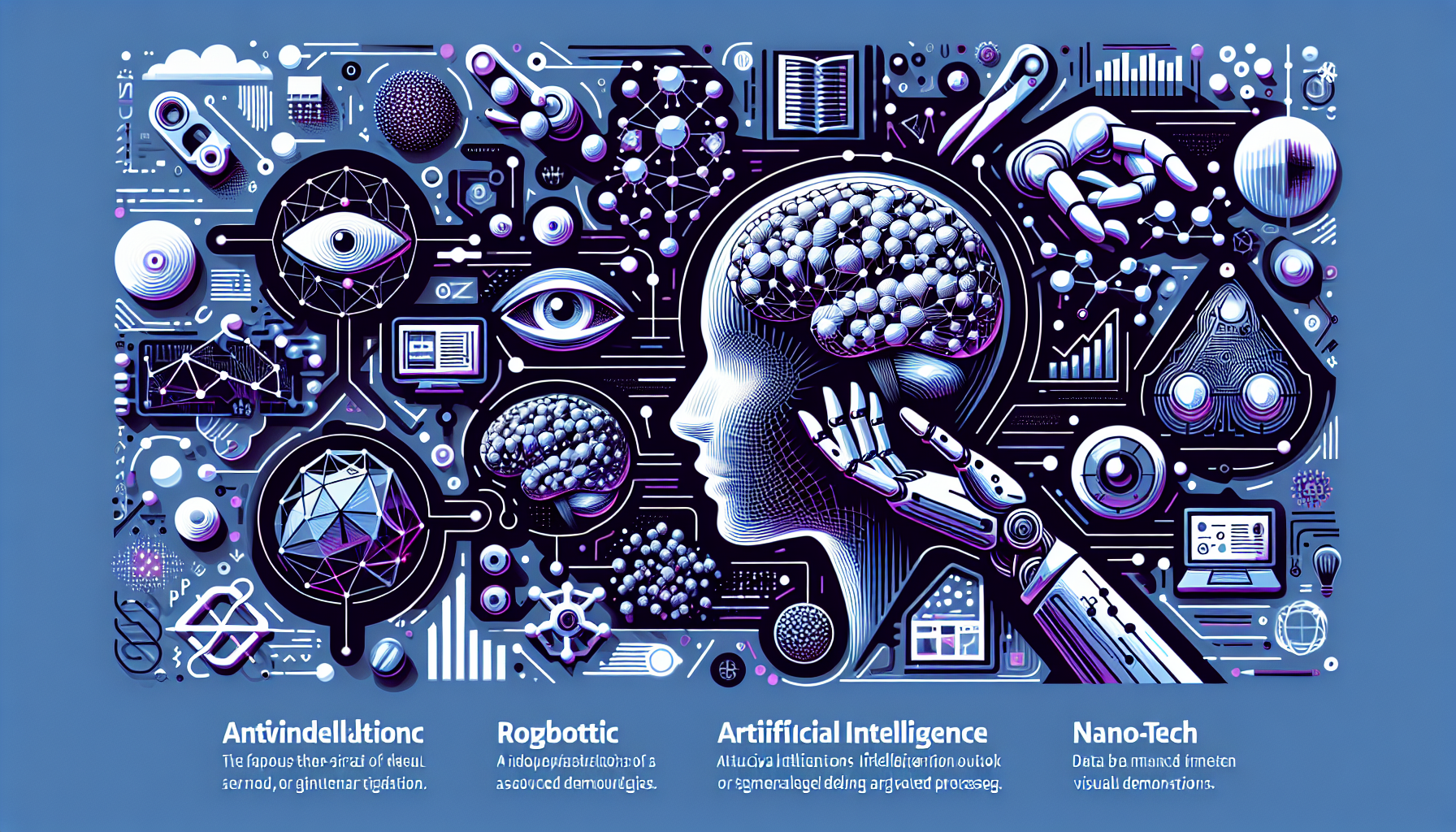
The Rise of Applied Artificial Intelligence in Professional Contexts
As we traverse the rapidly evolving landscape of technology, applied artificial intelligence (AI) emerges as a pivotal force reshaping professional environments. From enhancing productivity to driving innovation, AI's integration into daily workflows is increasingly indispensable. The ability to streamline processes, analyze vast datasets, and support complex decision-making processes is not just a futuristic vision but a current necessity. In the public and private sectors alike, AI offers the potential to transform operations by automating routine tasks, thereby freeing up human resources for more strategic initiatives. However, harnessing AI's full potential requires a nuanced understanding of its capabilities and ethical considerations, ensuring its deployment is both effective and responsible.
AI in Workflow Automation: Streamlining Processes for Efficiency
One of the most significant impacts of applied artificial intelligence is its ability to automate workflows, which can lead to substantial efficiency improvements. By automating routine and repetitive tasks, organizations can significantly reduce the time and resources required to complete them. For instance, in government agencies, the use of AI-driven automation in processing applications, such as permits or licenses, can cut down processing times from weeks to mere days. This not only improves service delivery but also enhances citizen satisfaction by reducing waiting periods.
Moreover, AI can be leveraged to automate data entry and management tasks, which are often prone to human error. By implementing AI-driven systems, organizations can ensure higher accuracy in data handling, leading to better decision-making. An example can be seen in healthcare, where AI systems are used to automate the entry of patient information into electronic health records, thus reducing errors and allowing healthcare professionals to focus more on patient care rather than administrative tasks.
The implications of AI in workflow automation extend beyond efficiency. It also enables a reimagining of job roles, where employees can shift their focus from mundane tasks to more value-added activities, such as strategic planning and innovation. This transition requires organizations to invest in reskilling their workforce to ensure they can thrive in an AI-augmented workplace.
Enhancing Decision-Making with AI-Driven Insights
The integration of AI into decision-making processes offers the potential to revolutionize how decisions are made within organizations. AI tools equipped with advanced analytics capabilities can process and analyze large volumes of data quickly, providing insights that would otherwise be impossible for humans to glean. In the public sector, this can manifest in the form of predictive analytics that aid in policy-making. For example, AI can be used to predict traffic patterns and optimize public transportation schedules, leading to reduced congestion and improved urban mobility.
In the corporate world, AI-driven insights can support strategic business decisions, from market trend analyses to consumer behavior predictions. Retail companies, for instance, use AI to analyze purchasing patterns and tailor their marketing strategies accordingly, ensuring they meet consumer demands more effectively. By doing so, businesses can maintain a competitive edge and enhance customer satisfaction.
However, the deployment of AI in decision-making must be approached with caution. It is essential to ensure that AI systems are transparent and that their recommendations are explainable. This transparency is crucial in avoiding biases and ensuring that AI-driven decisions are fair and ethical. Organizations must also establish frameworks for accountability, ensuring that human oversight remains an integral part of the decision-making process.
Ethical Considerations in AI Implementation
The adoption of applied artificial intelligence in professional settings is not without its ethical challenges. As AI systems become more autonomous, the potential for ethical dilemmas increases. One of the primary concerns is the issue of bias in AI algorithms. If not carefully managed, AI systems can perpetuate existing biases present in training data, leading to unfair outcomes. For instance, biased algorithms in hiring processes can discriminate against certain demographic groups, undermining diversity and inclusion efforts.
To address these issues, organizations must prioritize the development and deployment of ethical AI. This involves implementing rigorous testing and validation processes to identify and mitigate biases before AI systems are put into use. Additionally, fostering a culture of transparency and accountability is crucial. Organizations should be open about how AI systems are used and the data they rely on, ensuring stakeholders understand and trust these technologies.
Moreover, the ethical use of AI extends to the privacy and security of data. As AI systems often require access to sensitive information, robust data protection measures must be in place to safeguard against unauthorized access and breaches. By embedding ethical considerations into the core of AI strategy, organizations can harness the benefits of AI while minimizing potential harms.
AI's Role in Public-Sector Innovation and Service Delivery
In the realm of public service, applied artificial intelligence holds significant potential to enhance service delivery and drive innovation. Governments worldwide are increasingly leveraging AI to improve the efficiency and effectiveness of public services. For example, AI-powered chatbots are being used to provide citizens with immediate responses to inquiries, reducing the burden on customer service representatives and improving response times.
Furthermore, AI is instrumental in public safety and emergency response. By analyzing data from various sources, AI systems can predict and respond to natural disasters more effectively, optimizing resource allocation and minimizing impact on affected communities. In law enforcement, AI is being used to analyze crime data, helping to identify patterns and deploy resources more strategically.
The integration of AI into public-sector operations also fosters innovation by encouraging the development of new applications and services. For instance, smart city initiatives often rely on AI technologies to enhance urban living through improved traffic management, energy efficiency, and waste management. As governments continue to explore the potential of AI, it is crucial to ensure that these technologies are used responsibly, with a focus on inclusivity and accessibility to all citizens.
Conclusion: Embracing AI Responsibly for a Better Future
The outlook for applied artificial intelligence is both exciting and challenging. As AI continues to permeate professional landscapes, its ability to enhance productivity, support decision-making, and drive innovation is undeniable. However, the responsible implementation of AI requires a balanced approach that considers ethical implications and ensures equitable outcomes for all stakeholders.
Organizations must commit to ongoing education and adaptation, ensuring their workforce is equipped to work alongside AI technologies. By fostering a culture of innovation that embraces ethical considerations, businesses and public-sector entities can unlock the full potential of AI while mitigating risks. As we move forward, the collaboration between human intelligence and artificial intelligence will be crucial in shaping a future that is not only technologically advanced but also socially responsible.
Ultimately, the key to successful AI integration lies in understanding its capabilities, limitations, and ethical considerations. By approaching AI with intentionality and foresight, we can harness its power to create a more efficient, equitable, and innovative world.
Comments ()